444 8 440Request a review
Explosion proof (ATEX) overhead travelling cranes installed in an industrial process building
Home › Industrial Cranes and Lifting Equipment › Explosion Proof (ATEX) Crane Systems

Explosion Proof (ATEX) Crane Systems

An ATEX crane engineered to the zone (from Zone 1 to Zone 22), gas group, dust group and temperature code written in your specification. The lifting machine and its gearbox come out of our own plant, certified, so one team answers for the whole system.

In-househoist unit and gearbox — made and certified
ATEXcertified equipment · 2014/34/EU
Zone 1–2 · 21–22gas and dust zones we engineer for
Founded 2004In-house manufacturingEN · FEM · ISO designCE marked2,500+ cranes installed

What is an explosion proof (ATEX) crane?

An explosion proof (ATEX) crane is a lifting system built so that no part of it can ignite a flammable gas, vapour or dust cloud. Every component from the motor to the hook is selected for the zone it works in, so that neither a spark nor a hot surface reaches the atmosphere.

Standard vs Ex

How an explosion proof crane differs from a standard crane

A plant is rarely classified as a whole. Usually one production area, one filling line or one silo section carries the classification. The crane working there is built to a different set of rules from the crane two doors down. That difference goes back to how each component is chosen and how the load path is calculated.

Standard crane vs explosion proof crane

CriterionStandard craneExplosion proof (ATEX) crane
Where it belongsNon-classified areaGas Zone 1–2 or dust Zone 21–22 area
Design starting pointLoad, span, duty cycleLoad, span, duty cycle and the site’s zone code
Electrical equipmentIndustrial rating (IP54/55)Certified Ex equipment specified per zone and code
Mechanical partsSteel contact surfacesNon-sparking material choices; bronze-plated hook and block
Surface temperatureNot a design limitA hard design limit set by the temperature class
Capacity and speedSized to the duty classCalculated together with the material; de-rating is normal
DocumentationCE, declaration of conformity, manualAdds ATEX equipment certification and notified body involvement
MaintenanceStandard planned maintenanceProtection integrity is part of every visit
ABRA pageDouble girder · process cranesThis page
If part of your building is classified and part is not, send us the zone map. An engineer will confirm which crane belongs where, and what changes between them.Send the zone map →

Ignition paths

The two ways a crane can ignite an atmosphere

A crane can become an ignition source along two separate routes, and each route needs its own answer.

Electrical

Switching arcs in the motor, brake and control panel, a hot winding, or a terminal that loosens over time. The answer here is the protection concept built into each certified item: a flameproof enclosure contains an internal explosion, increased safety prevents arcs and hot spots, and dust-tight enclosures keep powder out of live parts.

Mechanical, or non-electrical

Friction and impact sparks from the hook, rope, wheels, gears and bearings, plus the surface temperature that friction creates. This route is answered in the construction itself: gearing that runs immersed in oil, contact surfaces chosen so they do not throw a spark on impact, and a surface temperature verified against the temperature class in your code.

Both routes are assessed and documented separately in every project we quote — and they are calculated together, on the same drawing as the machine itself.

Our approach

The protection concept is designed with the machine, not around it

In a classified area the hoist unit carries most of the risk. Motor, brake, gearbox and rope drum sit in the same load path, and every one of them is both an electrical and a mechanical ignition candidate.

Because the hoist unit and its gearbox are certified out of our own plant in İzmir, the protection concept follows your zone code from the first calculation — while the load path and the electrical design are still on the same drawing.

Two things follow from that. The chain of responsibility stays short enough to audit, because the certificate sits on a build we control. And when the dust group has to move from IIIA to IIIC, the gearbox can be taken through certification without going back through a supplier.

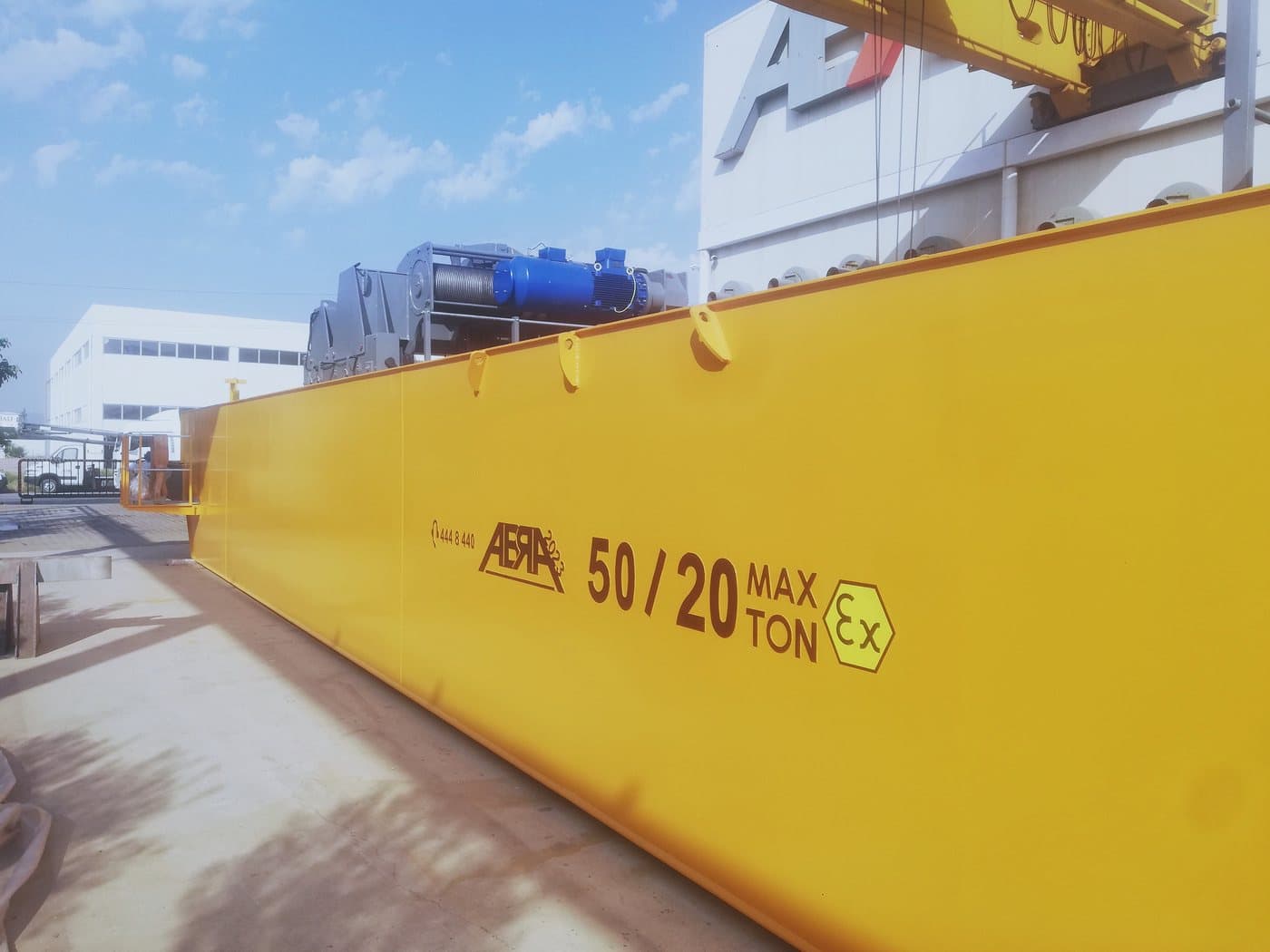
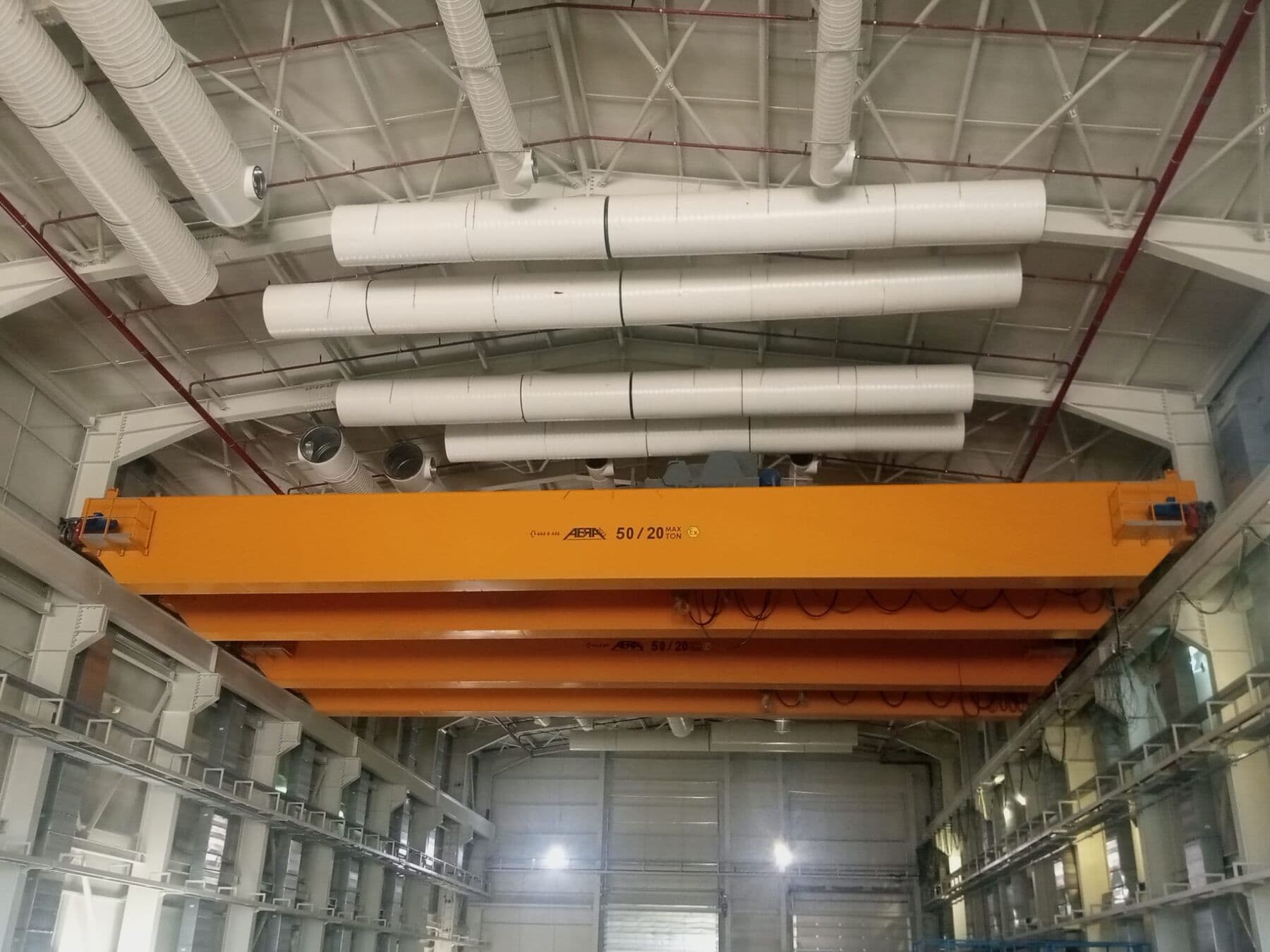
ABRA crane girder with 50/20 tonne Ex-marked rating at the İzmir plant
Ex-marked 50 / 20 t crane girder at the ABRA plant, İzmir.

Scope & technical framework

Which zones an ABRA ATEX crane is engineered for

We build for gas Zone 1 and Zone 2 (Category 2G and 3G) and for dust Zone 21 and Zone 22 (Category 2D and 3D). Dust group IIIA is the standard build, and IIIC is available by taking our own gearbox through certification.

The zone, gas group, dust group and temperature class in your specification are a code, and each enquiry is engineered against that code component by component.

What stays constant across every project: the hoist unit and the gearbox are our own manufacture and certified, the two ignition routes are calculated separately, and the equipment documentation is prepared for third-party inspection.

Why an explosion proof crane is rated differently

Non-sparking materials such as bronze and austenitic stainless steel are less strong than the alloy steels used in a standard build. Capacity and speed are therefore calculated together with the material. An Ex motor also needs thermal headroom to stay under its surface temperature limit. In practice that often means a lower duty class and lower travel speeds than the same crane would carry in a non-classified area. The de-rating is stated in the quotation and calculated against your load spectrum.

Explosion proof crane — project framework

The table states what is constant and what is engineered to your code.

ParameterABRA position
Gas zoneZone 1 and Zone 2 (Category 2G / 3G)
Dust zoneZone 21 and Zone 22 (Category 2D / 3D)
Dust groupIIIA as the standard build; IIIC by certifying our own gearbox
Gas groupGas group and temperature class are defined per project, against the code in your specification
Temperature classEngineered to the temperature class code in your specification; maximum surface temperature stays below the auto-ignition temperature of the atmosphere
Crane typeSingle girder, double girder, gantry or process crane body, as the installation requires
Lifting capacity (SWL)Per project, calculated with the material and protection concept
Span / lifting heightPer project
Duty classFEM / ISO duty class per project; Ex thermal headroom often lowers the class
De-rating vs standard buildStated in the quotation, calculated per project
Hoist unit and gearboxABRA manufacture, certified
Motion controlInverter (VFD); inverter-based sway control
SpeedsInverter-controlled; set per project
Overload protectionOverload switch and load cell, standard (EN 14492-2)
ControlRadio remote, pendant or operator cabin, specified per zone
Power supply380–415 V / 50 Hz (60 Hz for export)
Protection class (Ex build)Per project
Ambient temperature (Ex build)Per project (standard build: −10 … +50 °C)
CertificationATEX 2014/34/EU — Module A for the Ex gearbox we manufacture, Module G unit verification for equipment delivered as a single unit, with a notified body
Ex standards appliedEN 1127-1 · EN IEC 60079 series · EN ISO 80079-36 / -37
MarkingThe full marking string is issued with the equipment documentation; it is not published, because it is specific to the certified unit
Standards appliedEN 13001 series · EN 15011 · EN 14492-2 · EN ISO 13849-1 / -2 · EN IEC 60204-32
Directives2006/42/EC · 2014/30/EU · 2014/35/EU · 2000/14/EC. Machinery Regulation (EU) 2023/1230 applies from 20 January 2027; our compliance work for it is complete
Functional safety levelAt least PL c to EN ISO 13849-1; PL d or PL e where the project requires it
BrakeSpring-applied electromagnetic brake — closes when power is cut
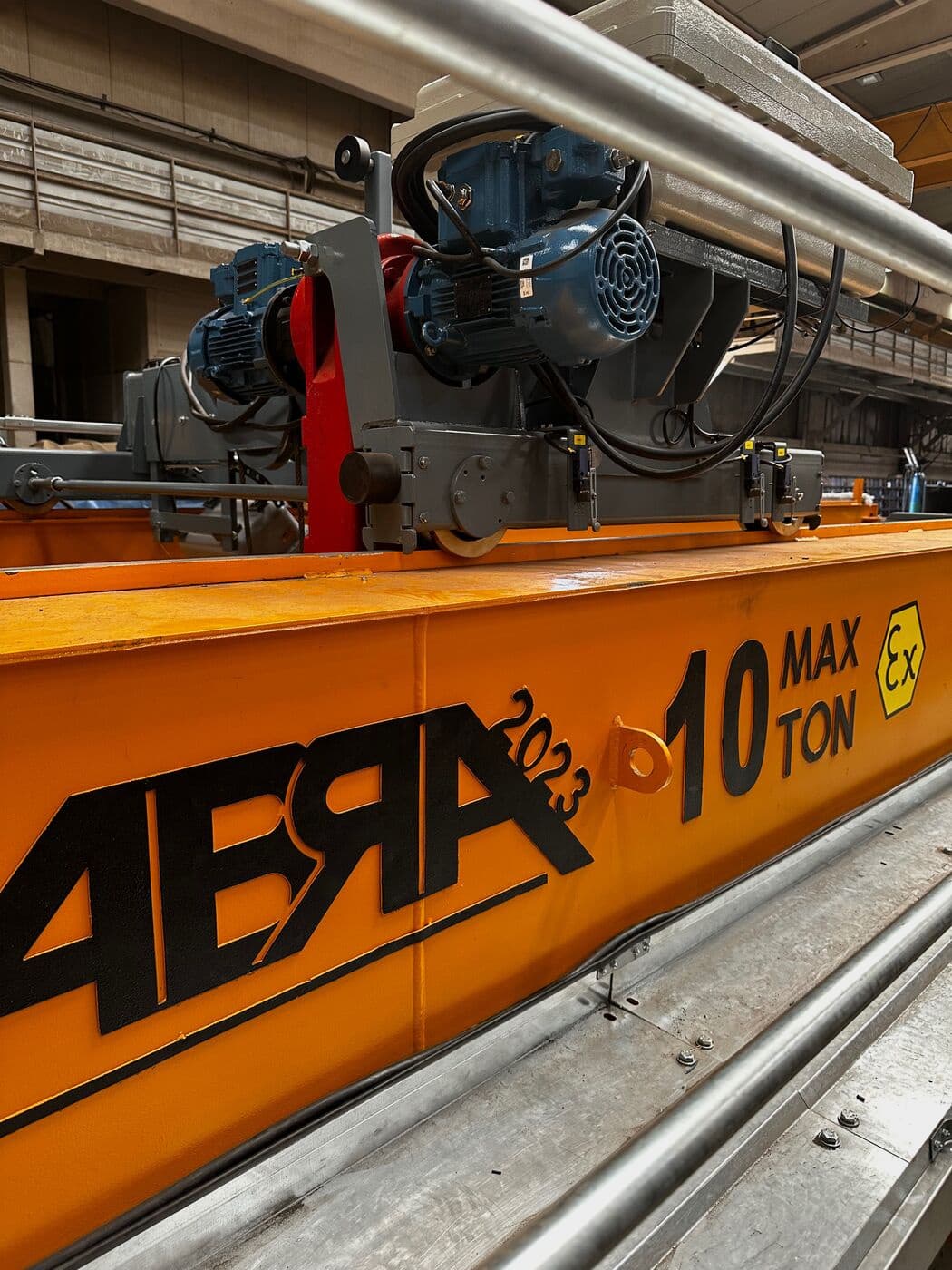
Ex-marked ABRA hoist trolley on a 10 tonne crane girder
Ex-marked hoist trolley on an ABRA 10 t crane.

Component protection

Component by component: what protects which part

Each item below answers a specific ignition risk.

Hoist unit and gearbox (our manufacture, certified)

The highest-risk assembly is engineered, built and certified in one place, so the protection concept and the load calculation come from the same desk.

Bronze-plated hook and non-sparking contact surfaces

Steel striking steel throws a spark; a plated hook and block remove that contact from the load path.

Ex-rated motors, brakes, panel and controls

Certified equipment specified per project against the zone and code in your document, then integrated and tested by us.

Anti-collision on Ex trolleys (option)

A hard impact between trolleys is a mechanical ignition event before it is a maintenance problem.

Static earthing and bonding

A charged structure discharges somewhere; the bonding route decides where.

Overload protection (EN 14492-2)

An overload switch and load cell are standard, so the crane refuses a lift beyond its rating. An LED load display is available as an option.

Inverter (VFD) motion control

Soft starts and inverter-based sway control reduce shock loading, which keeps friction, wear and surface temperature down.

Operator cabin (made in-house)

Where the crane is driven from inside the classified area, the cabin is built and specified with the same protection logic. See operator cabins.

ABRA Crane Tracking

Usage, condition and maintenance data for cranes that are hard to reach during production; the crane keeps its own service history.

Component → protection route

The left column is the engineering approach; certified codes are issued per project with the equipment certificate.

ComponentIgnition routeProtection approachABRA
Hoist motorElectricalFlameproof enclosure or increased safety, dust-tight enclosure in dust zones, selected per zoneSpecified per project · certified equipment
BrakeElectrical + friction heatWithin the motor protection assembly; friction heat assessed as a non-electrical sourceSpecified per project
GearboxMechanicalConstructional safety and oil-bath immersion; surface temperature verifiedOur manufacture, certified ✓
Rope drum and ropeMechanicalLoad path and friction points assessed; material choices reviewedPart of our hoist unit build ✓
Hook and bottom blockImpact sparkNon-sparking plating on contact surfacesBronze-plated hook ✓
Travel and trolley drivesElectrical + mechanicalSame protection family as the hoist drive, per zoneSpecified per project
Trolley collisionImpact sparkAnti-collision prevents hard contactOption, specified per project
Control panelElectricalFlameproof switching with increased-safety terminalsSpecified per project
Pendant / radio controlElectricalProtected enclosure or intrinsically safe circuit, per zoneSpecified per project
Limit switchesElectricalProtected switching element in a protected enclosure, high IPSpecified per project
Wheels and railsFriction sparkContact surface material reviewed against the zoneSpecified per project
BuffersImpact sparkNon-sparking materialSpecified per project
StructureStatic dischargeEarthing and bonding route definedStatic earthing ✓

Items marked ✓ are confirmed ABRA build features.

Applications

Where explosion proof cranes work

Each application below is tied to the condition that classifies it.

Hydrocarbon vapour around process units and loading areas puts maintenance lifting into gas Zone 1–2.

Solvent vapour and corrosive atmosphere in the same area, so explosion protection and corrosion protection are specified together.

Fuel handling, coal and biomass areas where combustible dust and continuous duty meet.

Mining and mineral processing

Abrasive combustible dust plus vibration, where surface temperature and wear are calculated in the same model.

Food and pharmaceutical

Flour, sugar, starch and powder handling classify as dust Zone 21–22, with washdown and hygiene requirements on top.

Cement and bulk materials

Silo and filter areas where dust build-up decides the surface temperature limit.

Defence, paint and coatings, recycling and grain storage lines are engineered on the same basis. If part of your site is classified, the process cranes and double girder overhead cranes in the non-classified areas come from the same team and the same drawing set.

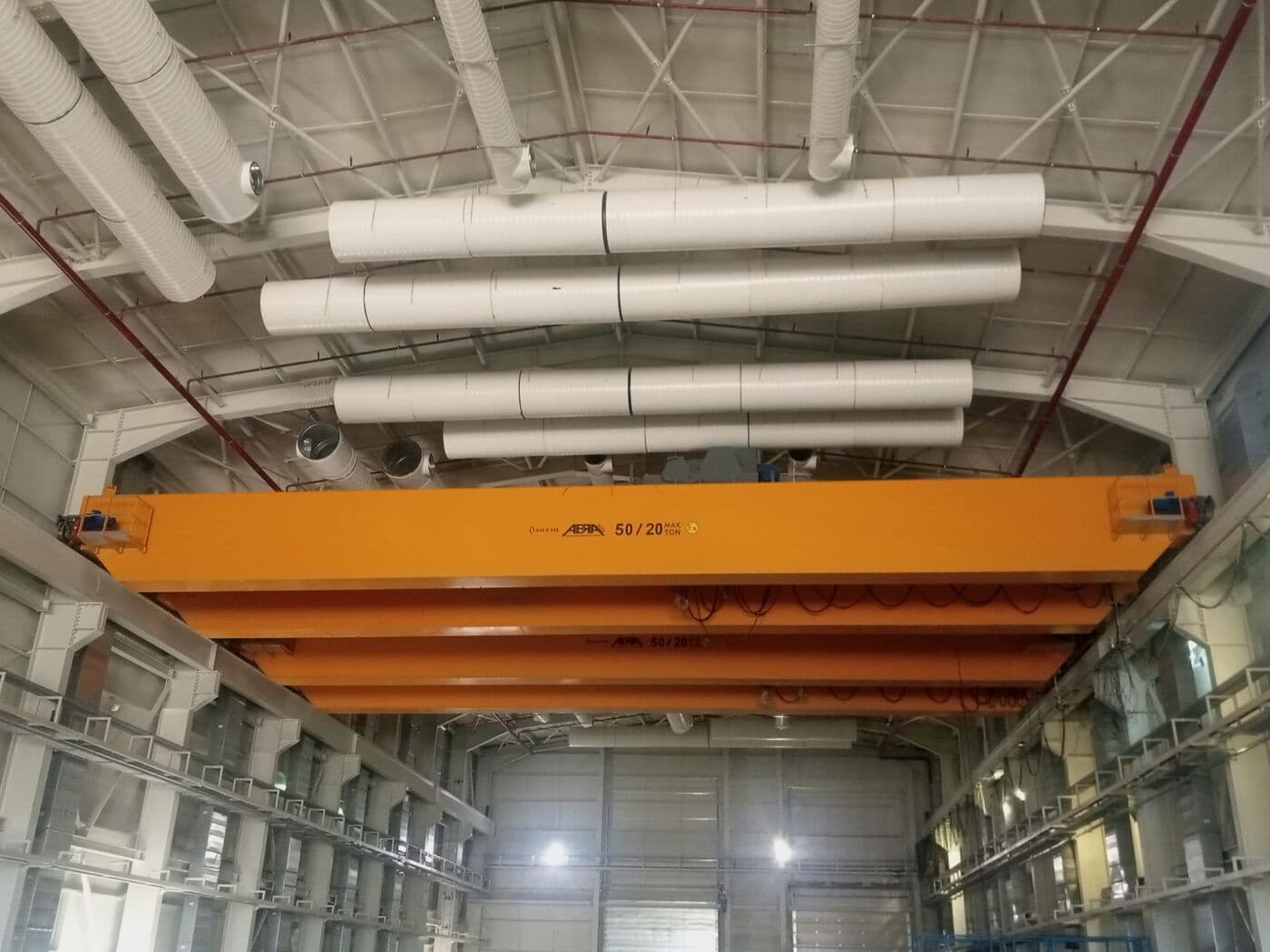
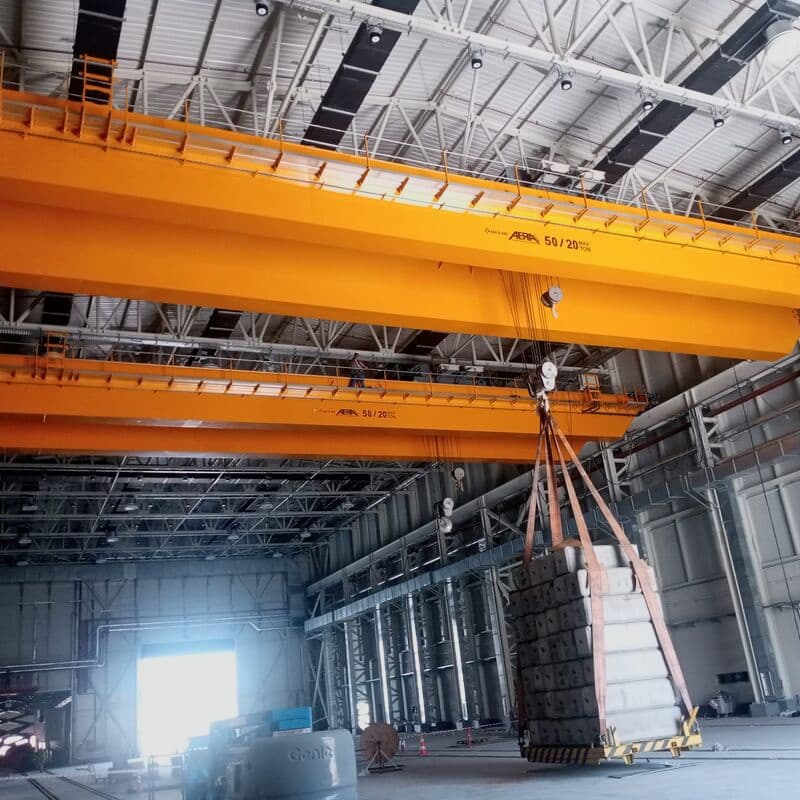
Two ABRA overhead travelling cranes installed in an industrial process hall
ABRA overhead travelling cranes in an industrial process hall.

Certification

Certification and conformity (ATEX 2014/34/EU)

Our explosion-protected equipment is certified under ATEX 2014/34/EU with a notified body. Two conformity routes are used, and which one applies depends on the item: the Ex gearbox we manufacture ourselves runs under Module A, and equipment delivered as a single unit runs under Module G, unit verification — a notified body examines that specific unit and issues the certificate for it.

The standards behind the build are EN 1127-1 for explosion prevention and protection, the EN IEC 60079 series for electrical equipment, and EN ISO 80079-36 / -37 for non-electrical equipment.

Two duties sit on two different desks, and confusing them creates audit findings. We certify the equipment. Classifying the zones and holding the explosion protection document remain the site operator’s duty, which is why we start from your zone map.

For EPC and vendor prequalification files, the documentation package is prepared with the crane: declaration of conformity, certificates for the certified assemblies, technical file references, test records and the operating manual.

ATEX 2014/34/EUCEModule A · Module GCertificate scope on the Quality & Certifications page · certificate numbers issued on request

Project process

How we work: from your zone map to commissioning and service

A five-step route, so a committee can see the whole path before committing:

STEP 1

Your zone map and specification

Zone, gas or dust, temperature class, capacity, span, duty cycle, ambient conditions.

STEP 2

Engineering and protection concept

Component-by-component selection against your code; any de-rating stated before you sign.

STEP 3

Manufacture, certification and inspection

Hoist unit and gearbox built and certified in our plant; certified equipment integrated and tested; third-party inspection and certification carried out with the notified body, and with your own inspection agency where the specification calls for it.

STEP 4

Installation, documentation and handover

Site installation, load test, and the document set your inspection file will ask for.

STEP 5

Service and maintenance

Preventive maintenance under an annual contract, spare parts from the original build, and breakdown response.

References

“Behind everything we say, ” there’s a real job.

The projects below are NDA protected.

2004manufacturing since, İzmir
16,000 m²facility
2,500+installed cranes
ISO M3–M8duty classes we build to
Refinery · gas Zone 1

Refinery, gas Zone 1 classified area

An overhead travelling crane for maintenance lifting on a live process unit. Because the hoist unit is our own build, the protection concept was calculated with the load path from the first drawing.

Defence · classified production

Defence industry facility

Lifting inside a classified production area, engineered to the site’s own zone map and delivered with the documentation set required for the plant’s inspection regime.

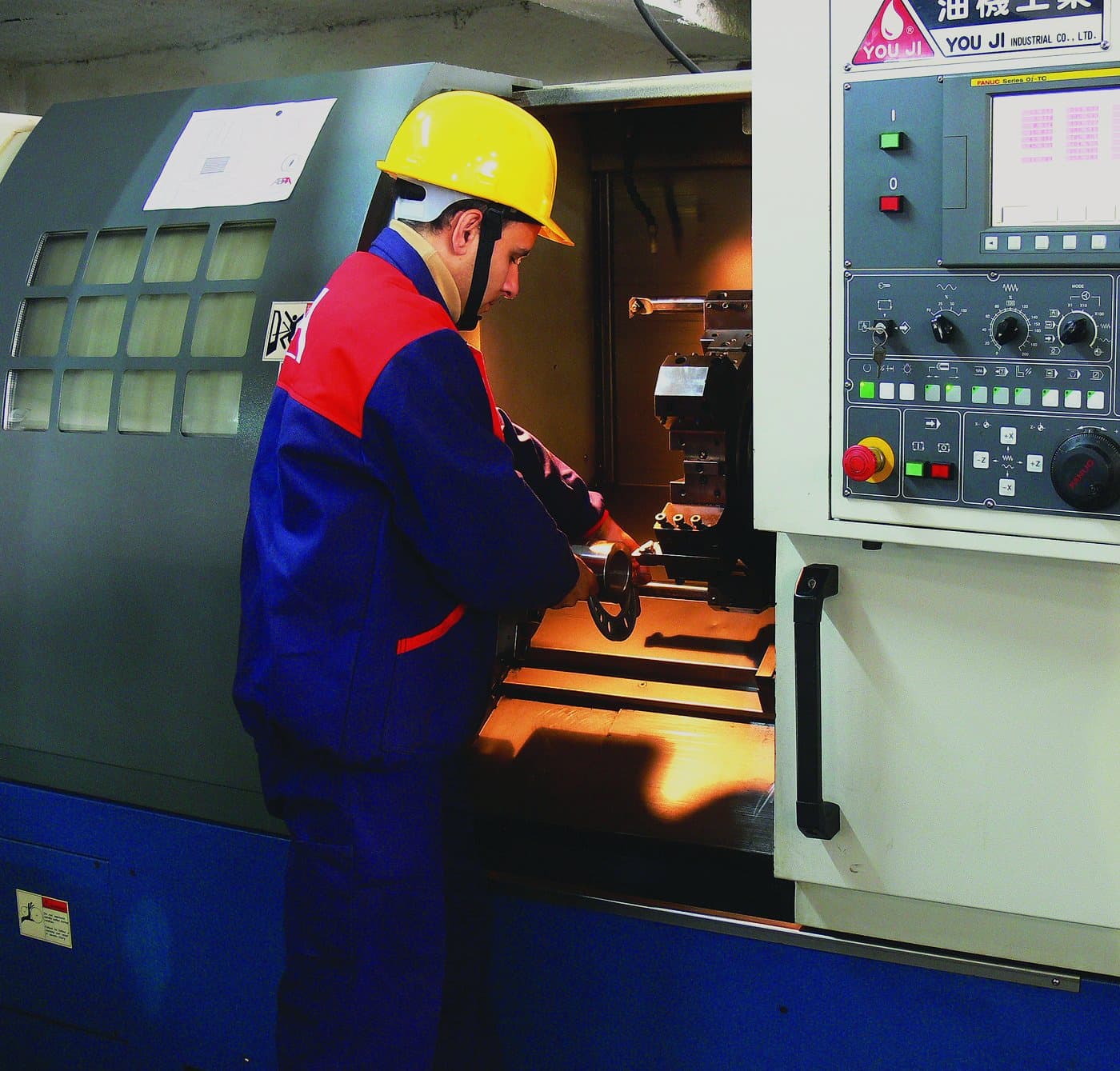
Hoist-unit machining at the ABRA plant
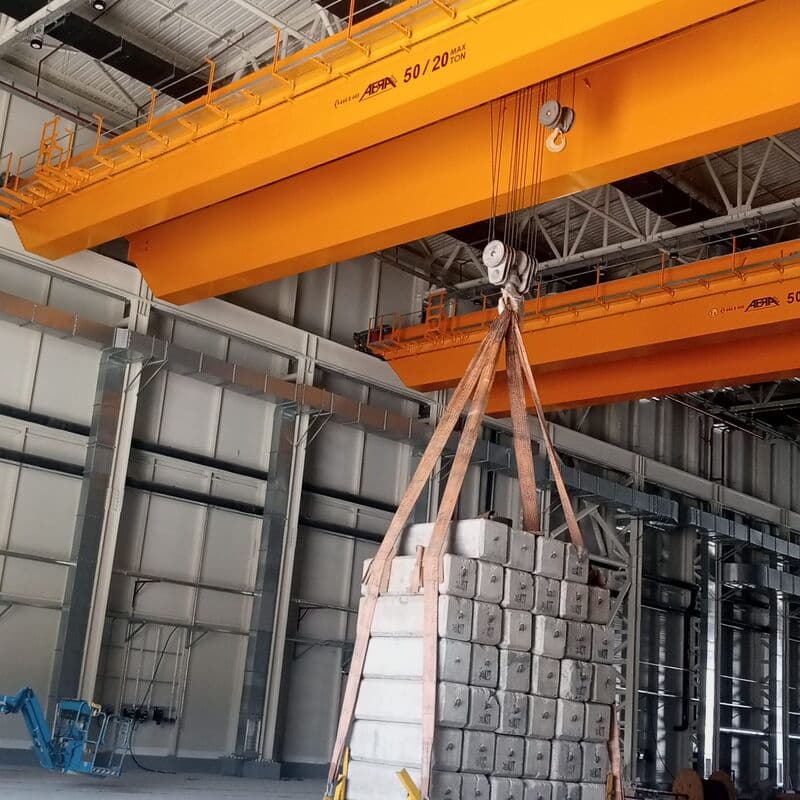
ABRA overhead crane lifting a slung load during site installation
ABRA double girder crane commissioning inside a new industrial hall

From our plant to your classified area.

After-sales

Maintenance, parts and service

A crane in a classified area cannot be handed to whoever is available. Maintenance is agreed under an annual contract: four preventive visits a year, spare parts from the original build, modernisation, and on-site breakdown response within 48 hours anywhere in Türkiye. Warranty is two years.

We also service, supply parts for and modernise other manufacturers’ cranes, and ABRA Crane Tracking can be retrofitted to them. Crane Contact Center 444 8 440.

48 hoursOn-site response, anywhere in Türkiye
2 yearsWarranty, fixed term
4 visits / yearStandard preventive maintenance contract
Any brandService, spares, modernisation and crane tracking retrofit

FAQ

Frequently asked questions

Which ATEX zones does an ABRA explosion proof crane cover?

We build for gas Zone 1 and Zone 2 and for dust Zone 21 and Zone 22, in ATEX Category 2 and 3 equipment. Dust group IIIA is the standard build, and IIIC is available by certifying our own gearbox. Gas group and temperature class are engineered to the code in your specification, because the component selection follows that code.

How is an explosion proof crane certified, and who classifies the zones?

The equipment is certified under ATEX 2014/34/EU, with EU-type examination and surveillance by a notified body. Classifying the zones and holding the explosion protection document are duties of the site operator, so we start from your zone map and certify the equipment we deliver. The declaration of conformity, certificates and technical documentation are issued with the crane for your inspection file.

Does an ATEX crane lift less than a standard crane of the same size?

Often, yes, and that is expected. Non-sparking materials are less strong than standard alloy steels, and an Ex motor needs thermal headroom under its surface temperature limit. Capacity, speed and duty class are therefore calculated together with the protection concept. We state the de-rating in the quotation, calculated against your load spectrum.

Why does it matter who manufactures the hoist unit on an Ex crane?

The hoist unit holds the motor, brake, gearbox and rope drum, which is where both the electrical and the mechanical ignition risks concentrate. We manufacture that unit and its gearbox in our own plant and certify them. The protection concept is therefore designed into the machine, and the chain of responsibility stays short enough to audit. It also means a change such as moving from dust group IIIA to IIIC is a certification we can take on ourselves.

Get a recommendation

Let’s read your zone conditions together

Send us your zone map, atmosphere, capacity and span. An engineer confirms the protection concept, the duty class and any de-rating with you before anything is quoted.

Or call 444 8 440

Review your zone conditions with an engineer

Your details are used only to answer your request

Designed and built to EN, FEM and ISO standards · CE marked · ATEX equipment certified by a notified body · manufacturing in İzmir since 2004