A hanging load is a pendulum, and its period depends on rope length rather than on how heavy the load is. Sway control works on that fact.
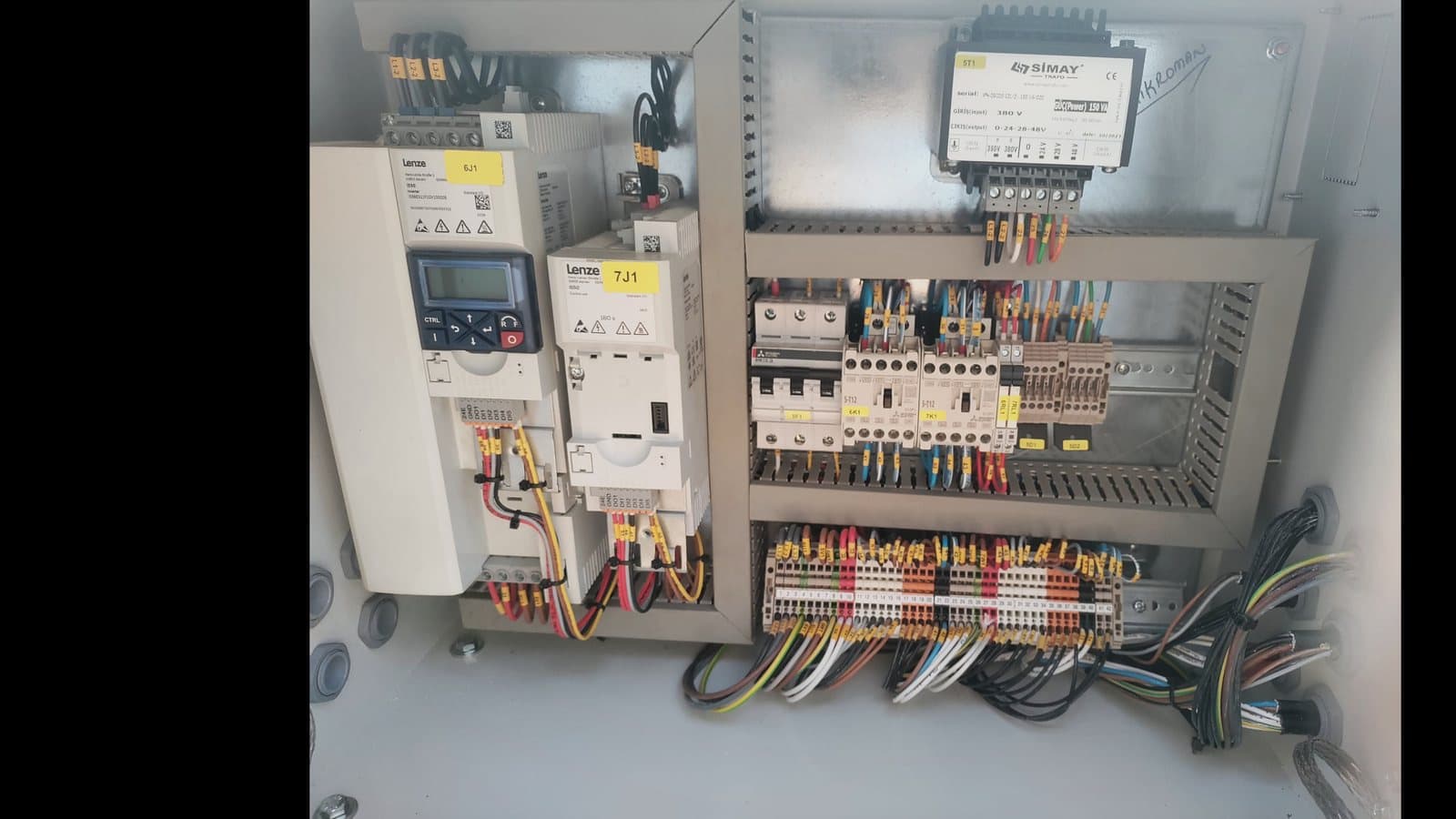
Our sway control is inverter-based. The drive shapes the acceleration and deceleration profile so that the crane's own movement does not set the load swinging in the first place. There is no sway sensor and no camera; the control is in the motion command. What that gives you is a load that arrives without a swing to wait out, and an operator who does not have to drive against a pendulum.
Here is what it does not do, because no one else in this category says it. It does not damp a load that is already swinging when it engages. It does not correct sway caused by wind or another outside disturbance. It does not correct a swing that comes from an off-centre or unbalanced pick-up, where the rope is not vertical at the moment of lift. And shaping the speed profile adds deliberate hesitations, which extends the stopping distance slightly compared with an unshaped stop.
Those limits are the reason a percentage figure is meaningless without the conditions attached to it, and the reason we do not publish one. Where the duty genuinely calls for damping an existing swing, that is a different class of system and a different conversation, and we would rather have it before the order than after.
Inverter control is also what makes micro-speed placing possible, which is a separate gain from sway and is often the one operators notice first.