444 8 440Request a review
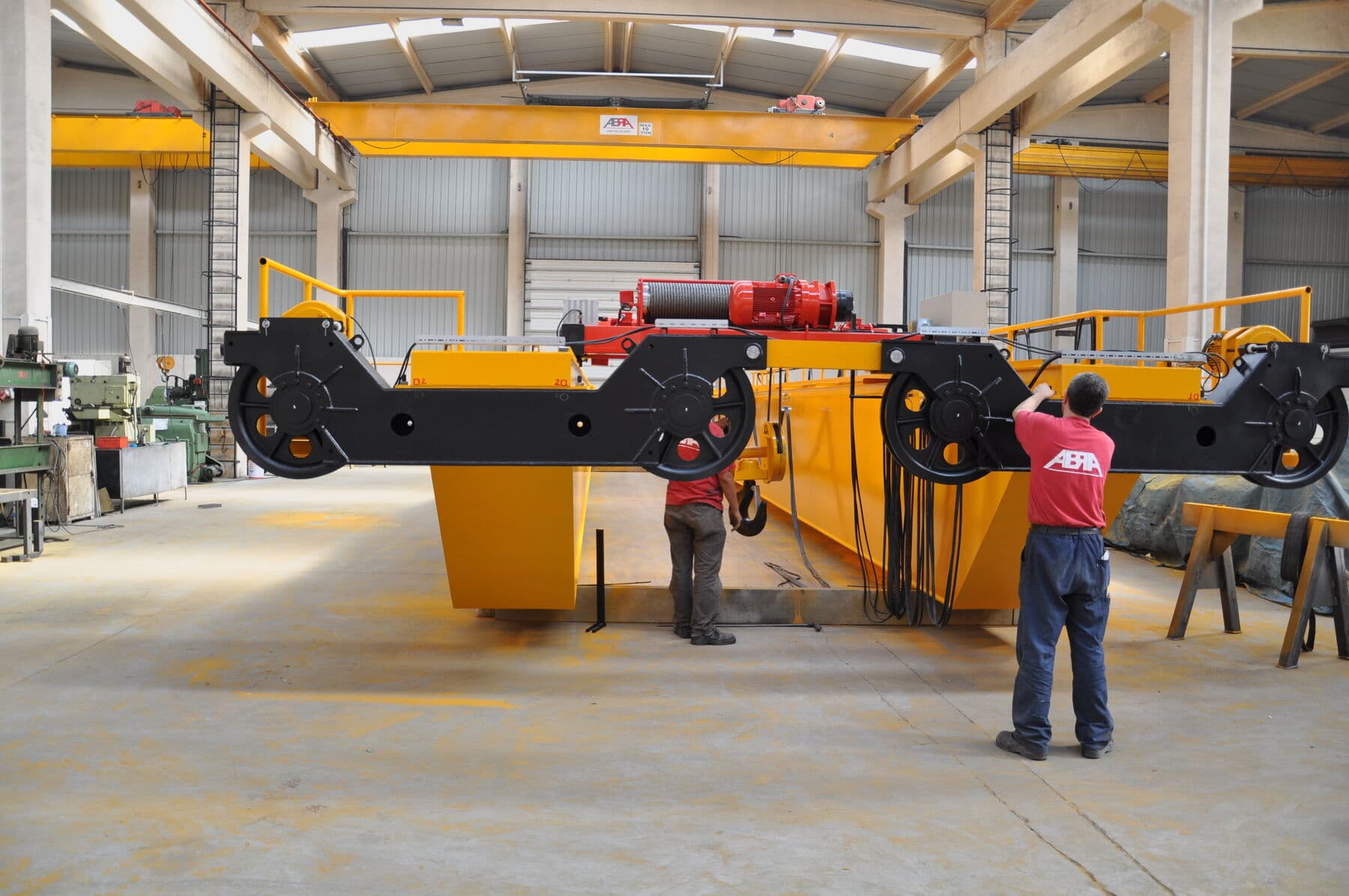
ABRA technicians working on an overhead crane end carriage during a maintenance visit
Home › Services › Crane Periodic Maintenance

Crane Periodic Maintenance

A crane that is looked at on a schedule comes down when you plan it. Brake wear, rope condition, drift in the travel gear and a loose terminal all announce themselves early. A planned visit finds them and closes them before they cost you a shift.

4 visits a yearstandard maintenance agreement
48 hourson-site response, anywhere in Türkiye
2 yearswarranty, fixed term
Any brandwhoever built the crane
Founded 2004In-house manufacturingEN · FEM · ISO designCE marked2,500+ cranes installed

What a periodic maintenance visit covers

Periodic maintenance, also called preventive maintenance, is planned work on a schedule. Under a maintenance agreement your cranes are checked four times a year, on dates set around your production plan. Each visit ends with a written findings report. Original parts, priority response when a crane stops, and any brand: overhead, gantry, jib and process cranes, hoists, transfer cars and explosion-protected equipment.

Brakes, rope and hook

The parts that decide whether a load stays up are measured to a figure. Wear is recorded visit by visit, so you see the trend long before a limit is reached.

Hoist and travel mechanisms

Gear oil, couplings, wheels and rail contact. Misalignment wears wheels and rails quietly, and correcting it while it is still small costs little.

Electrical and control

Terminal connections, contactors, festoon or conductor bar, limit switches, the overload switch and the load cell. Loose connections cause most intermittent faults.

Structure and record

Girder, end carriages, bolted connections and welds, by visual check. Every finding is written down with a photograph, so the crane's history exists on paper when someone asks.

On Explosion-protected cranes the visit also covers the protection itself: cable glands, seals, conduit runs and surface temperature.

Interval

How often should a crane be maintained?

Four visits a year is our standard, and our recommendation for a crane in normal industrial use: overhead, gantry, jib or process.

Duty class and environment move that figure. A crane that lifts twice a day and one that runs two shifts in a dusty plant are not the same machine to plan for. The duty class guide sets out how the class is decided.

More attention than standard

Where ABRA Crane Tracking is fitted, there is a usage record to plan against instead of an assumption.

Our intervals are structured with reference to ISO 9927-1 and to the manufacturer's instructions.

The agreement

How a crane maintenance agreement works

Five steps, from the first look at your equipment to what happens between visits:

STEP 1

Site review

We see the cranes, their duty class, their environment and whatever history exists.

STEP 2

Plan and agreement

Which cranes, how many visits, what is covered and what is not. All of it written down before the first visit.

STEP 3

Planned visits

Four a year as standard, scheduled around your production plan.

STEP 4

Findings and close-out

Each visit ends with a written report. Work outside the agreed scope is quoted first, and nothing is done without your approval.

STEP 5

Between visits

Priority response, and on-site cover within 48 hours anywhere in Türkiye.

With an agreement, and without one

Under a maintenance agreementCase by case
Visit planningFour scheduled visits a year, planned around your shutdownsOn request, subject to workload
Findings recordWritten report and photo record per crane, kept over timePer intervention only
Response when a crane stopsPriority responseStandard queue
Spare partsCritical items identified in advanceIdentified when the fault occurs
Inspection readinessCrane kept in condition and prepared ahead of the inspection dateArranged separately
Usage recordAvailable where ABRA Crane Tracking is fittedNot applicable

Crane data

Using crane data to plan maintenance

A maintenance plan is only as good as what is known about the crane. ABRA Crane Tracking records how a machine is actually used: running hours, number of starts, load pattern and fault events.

A machine running well below its assumed duty and one running above it are not the same case. The record shows which one you have. Crane Tracking can be retrofitted to cranes built by other manufacturers, and it records use and condition, not location.

After-sales

Whatever we agree, this is what stands behind it

48 hoursOn-site response, anywhere in Türkiye
2 yearsWarranty, fixed term
4 visits / yearStandard preventive maintenance agreement
Any brandService, spares, modernisation and crane tracking retrofit

FAQ

Frequently asked questions

Do you maintain cranes made by other manufacturers?

Yes. Service, spare parts, modernisation and Crane Tracking retrofit are all brand independent. On an older crane the first question is whether the remaining design working period still supports the duty being asked of it. The site review answers that.

Do you maintain gantry, jib and process cranes as well as overhead cranes?

Yes, and hoists, transfer cars and explosion-protected equipment with them. Visit content changes with the equipment. A jib crane takes far less time than a double girder process crane, and explosion-protected equipment adds the protection checks. One agreement can cover every lifting machine on a site.

Do you carry out the statutory periodic inspection?

No. In Türkiye the statutory periodic inspection of lifting equipment is carried out by an authorised inspection body, and the report comes from them. Our half of the job is keeping the crane in condition, preparing it for the inspection date, and closing out the findings that come back.

What happens if you find a fault during a visit?

It goes into the written report with a recommendation and a priority. Anything affecting safe operation is reported to you on the spot. Work and parts outside the agreed scope are quoted first, so a visit ends without surprises.

What affects the price of a maintenance agreement?

The number and type of machines, their duty class, the environment, the site location, and how much falls inside the covered scope. We price it after the site review, because a price set without seeing the cranes changes later.

Get a maintenance plan

Start with a site review

Tell us what you run and where. We will look at the equipment and its condition, and come back with a maintenance plan you can price against.

Crane stopped? Technical service →
Or call 444 8 440 · Crane Contact Center, 24/7

Request a site review

Your details are used only to answer your request

Designed to EN 15011, the EN 13001 series and EN 14492-2, with FEM 9.511 as a complementary reference · CE marked under 2006/42/EC · duty class and standards guide → duty class guide