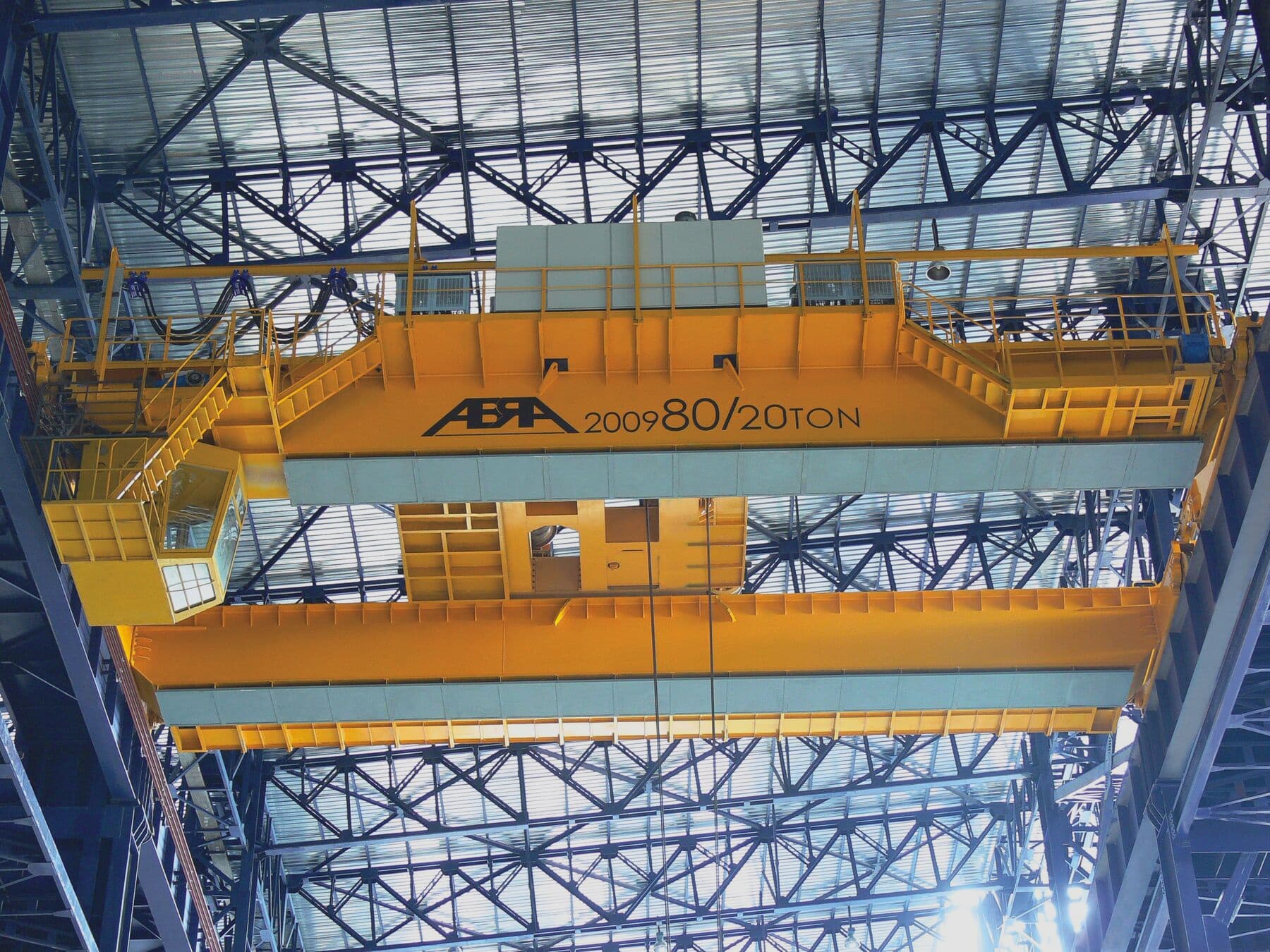
Start with the station, not the building. Sizing every crane to the busiest station is the most common way to overpay, and the premium repeats on every machine. Sizing to the quietest is worse: an under-classified mechanism accumulates fatigue faster than the design assumed, and it surfaces as brake, rope and gearing wear long before anything shows in the structure.
The sequence is short: establish the real cycle rate at each station over a normal week rather than a good one, estimate what fraction of rated capacity the hook actually carries, then add the shift pattern. Planned growth belongs in it too — a second shift added three years after commissioning changes the class, not the capacity.
In a classified area the Explosion-protected crane specification interacts with duty, since surface-temperature limits constrain how hard the mechanism may be worked. Class and Ex code are settled together.