
Who do I call when a crane stops?
444 8 440, the Crane Contact Center. Tell us the machine and what it is doing, and we are on site within 48 hours anywhere in Türkiye. Customers under a maintenance agreement come first in the queue.
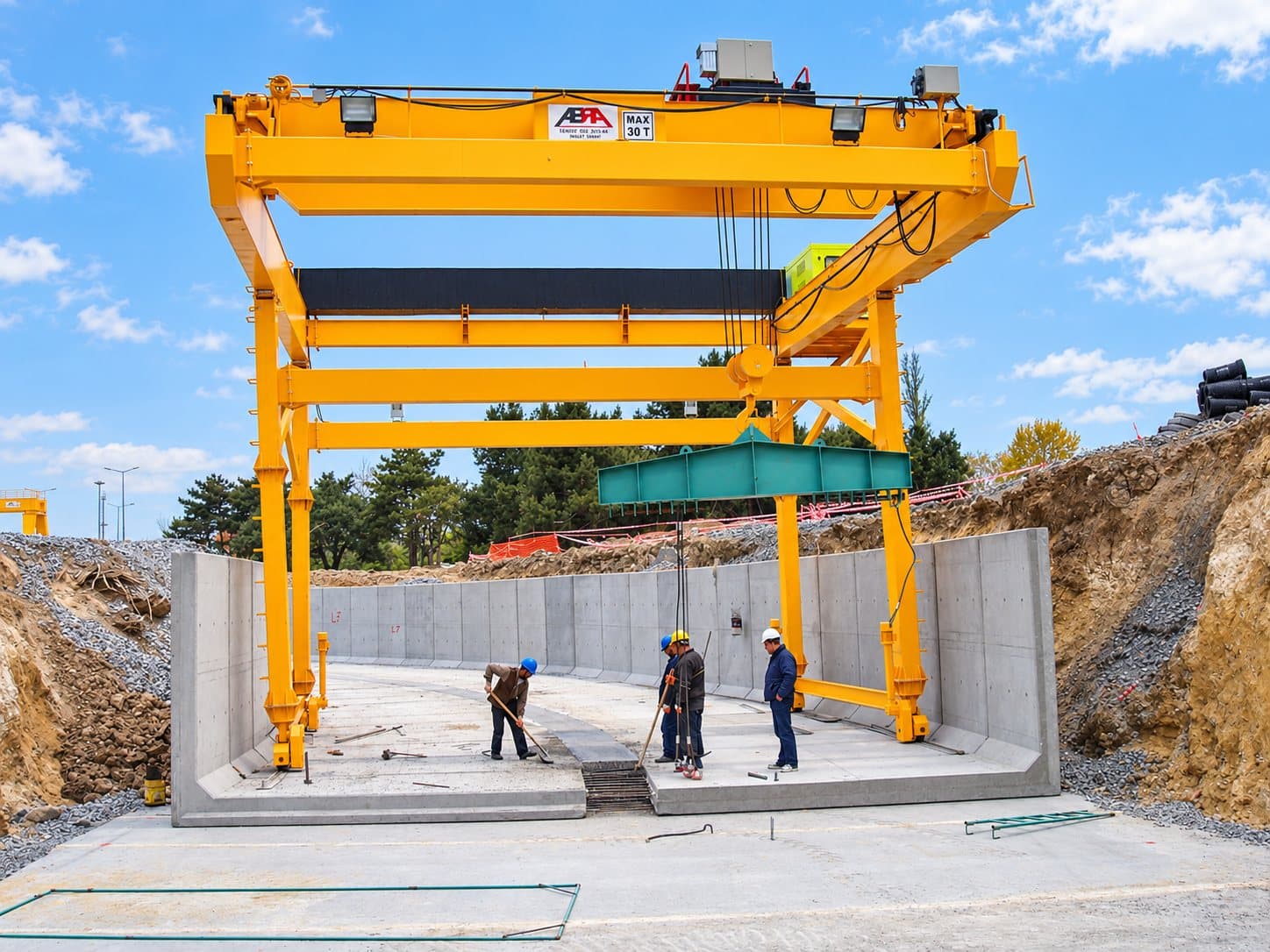
A crane is bought once and lived with for decades. What happens in those decades — who keeps it in condition, who comes when it stops, who renews it when part of it runs out — is the half of the purchase nobody quotes for.
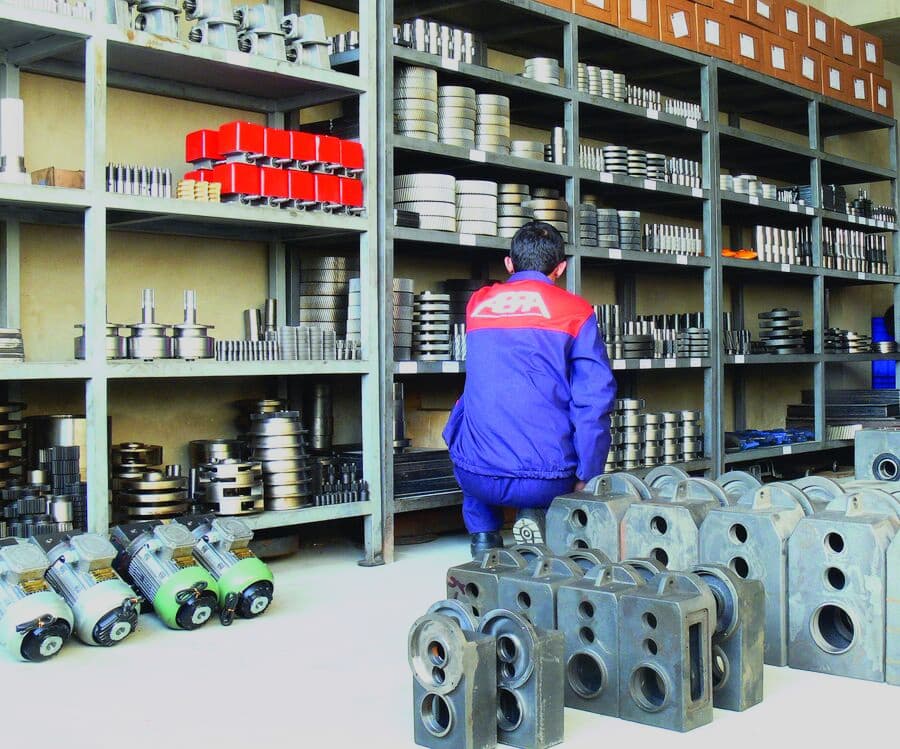
ABRA supports cranes and hoists through their working life: planned maintenance under an agreement, technical service when something stops, spare parts, modernisation when part of the machine runs out, and Crane Tracking. All of it applies to any make, through one number: 444 8 440.
Most of a crane's life happens after the invoice is closed. This is what that stretch looks like at ABRA.
The crane is put into service and load tested, and handed over with its documentation.
Your operators and maintenance staff take the machine over with the instructions that belong to it.
A written agreement, scheduled visits, and a findings report after each one.
Every visit and every call goes into the same file, so the crane has a history rather than a folder of invoices.
When one part of the machine reaches the end of its life and the rest has not, the crane is renewed instead of replaced.
Three services
Three services cover the working life of a machine, and most plants end up using more than one. Which one you need first is usually clear from what the crane is doing right now.
The planned side. Scheduled visits under a maintenance agreement, brakes, rope, mechanisms and electrics measured rather than eyed, and a written report you can hand to anyone who asks. The agreement fixes what is covered and how often, so the budget stops being a guess.
Periodic maintenance → four visits a year as standard
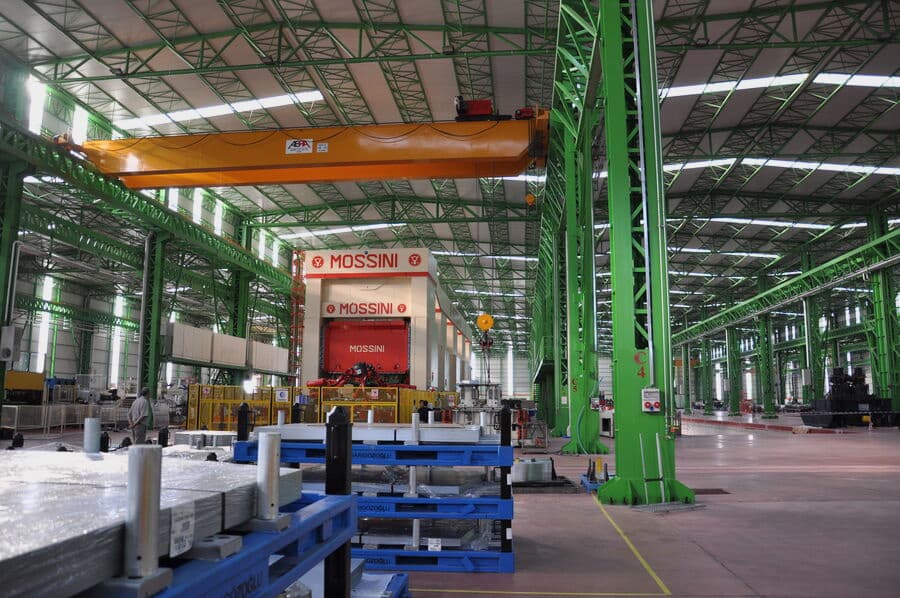
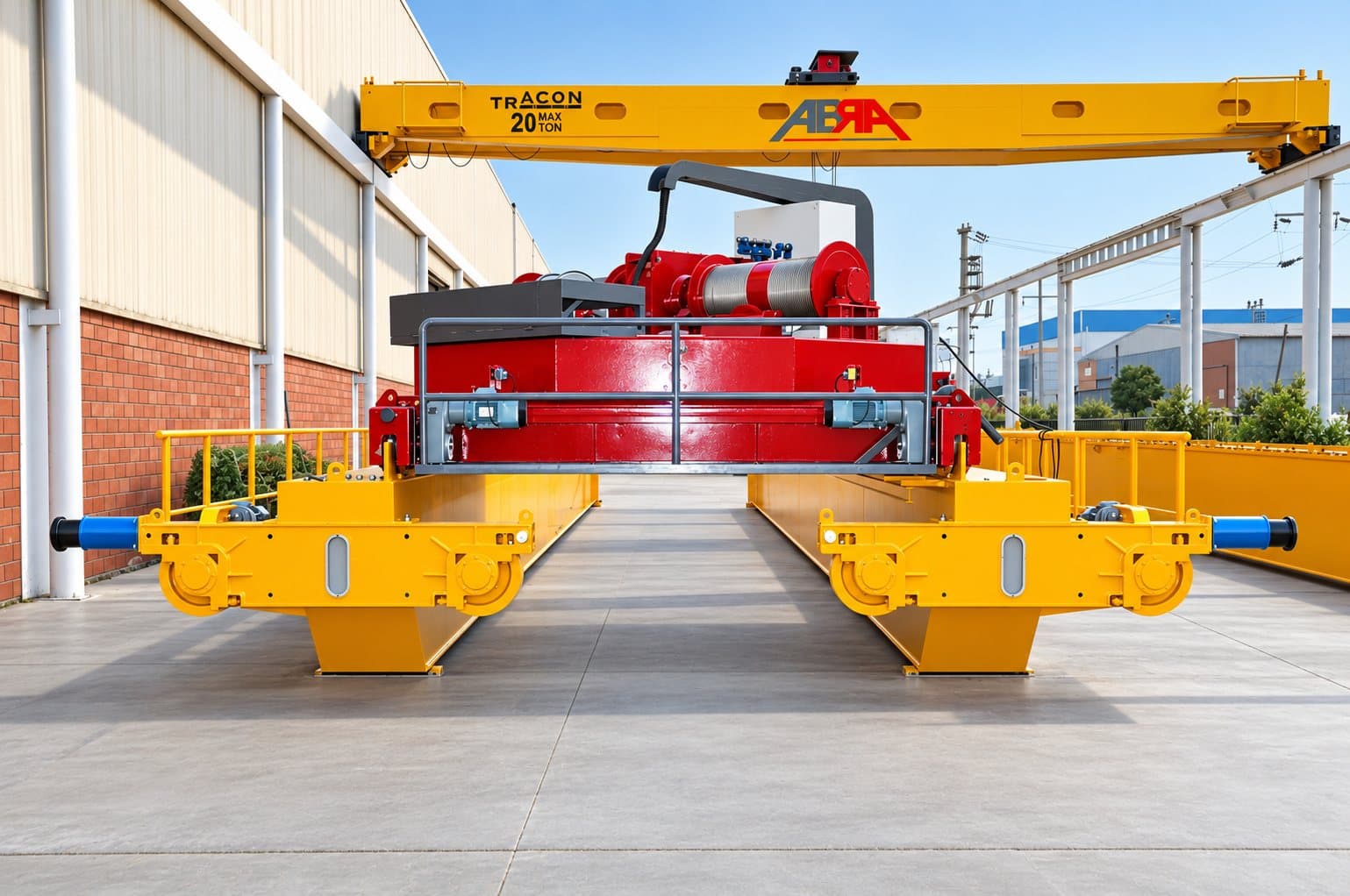
For a crane that still has structure left in it. A condition survey decides what has genuinely run out; the equipment is renewed in our own plant and reinstalled on your runway. If the survey says the machine is a replacement case, we say so at the survey.
Modernisation and retrofit → starts with a condition survey
The unplanned side. A fault, a stoppage, a part that has failed. One call starts it, we work on any make of crane or hoist, and every call ends with a written record of what was found and what was done.
On Explosion-protected equipment all three run the same way, with the protection kept intact and components certified for the zone.
After-sales
FAQ
444 8 440, the Crane Contact Center. Tell us the machine and what it is doing, and we are on site within 48 hours anywhere in Türkiye. Customers under a maintenance agreement come first in the queue.
Technical service is unplanned: something has happened and you need it fixed. A maintenance agreement is planned, four visits a year as standard, and it exists to make the unplanned calls rarer. Most plants end up with both, and the agreement is what keeps the calls short.
Two years, a fixed term. What falls inside it is written into the contract together with the scope of supply, so there is no argument about it later. The warranty and a maintenance agreement are separate things, and one does not replace the other.
Yes. Maintenance, technical service, spare parts, modernisation and Crane Tracking retrofit all work on any make. On a machine we did not build, the work starts with identification: what it is, what has been changed on it, and what condition it is actually in.
We do. The 48-hour response covers Türkiye; outside it, the scope of installation and field support is defined project by project and written into the contract, so both sides know what is covered before anything is signed.
Get a recommendation
Tell us what you run, where, and how hard it works. We will look at the equipment and come back with what it needs now, what it will need later, and what it does not need at all.
Maintenance agreement → · Crane stopped? →
Or call 444 8 440 · Crane Contact Center
Designed to EN 15011, the EN 13001 series and EN 14492-2, with FEM 9.511 as a complementary reference · CE marked under 2006/42/EC · see the duty class guide